
Jira Issue To Release Notes Converter
The best 17 Jira Issue To Release Notes Converter AI tools - Free & Paid
Explore 17 AI for Jira Issue To Release Notes Converter
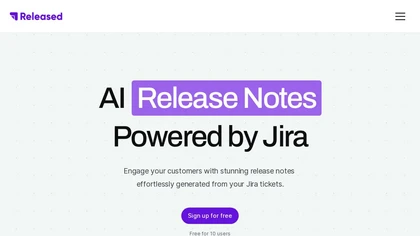
Released connects to Jira, publishing real‑time roadmaps and AI‑generated release notes. It embeds live updates, collects feedback from Slack and web forms, and offers audience control, searchable changelog hubs, SSO, and SOC 2 security.
Freemium
- $1.1/mo
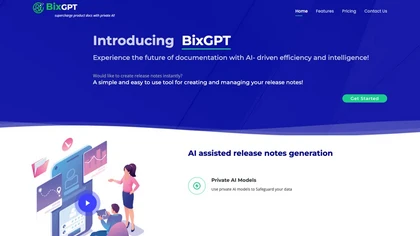
BixGPT automatically generates concise release notes from Jira data, producing Markdown, HTML or PDF output. It offers one‑click or interactive modes, publishes styled web pages, and keeps data encrypted, preventing training on proprietary content.
Freemium
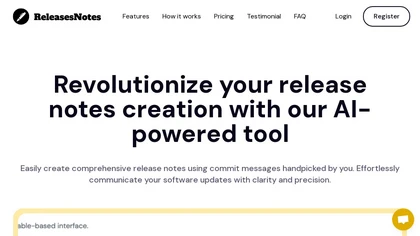
ReleasesNotes automatically converts GitHub and GitLab commits into structured release notes. Users filter by date, author, or keyword; the AI compiles new features, bug fixes, and enhancements into a unified document, cutting manual writing and speeding release cycles.
Subscription
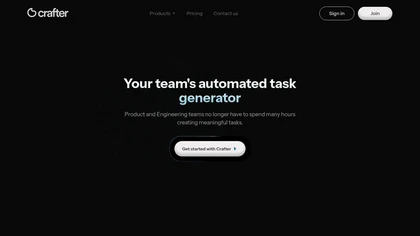
Crafter auto‑generates Jira tickets from PDFs and other documents, extracting key data to create actionable tasks. It provides real‑time project insights, predicts bottlenecks, prioritizes work, and streams updates to Slack, keeping teams aligned.
Freemium
- $9.99
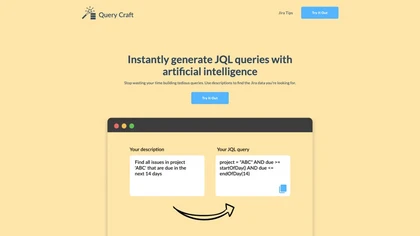
Query Craft translates plain language into Jira Query Language (JQL), enabling teams to quickly generate accurate issue filters. It supports status, assignee, priority, and custom fields, offers real‑time syntax validation, and integrates directly with Jira dashboards.
Freemium
Olvy embeds release notes in apps via sidebar, modal, or popup widgets. No‑code editor and custom CSS brand the portal, while AI writers auto‑generate notes. GitHub, Slack, Discord integration sends notifications; analytics and a GraphQL API support tracking and extensions.
Freemium
- $60/mo

TLDR is an AI‑powered IDE plugin that converts selected code into concise plain‑English explanations. Supporting multiple languages, it helps teams quickly understand snippets, regex, and SQL, accelerating onboarding and debugging within JetBrains IDEs.
Freemium
AI‑powered assistant that auto‑generates pull request descriptions, summarizes changes, and creates changelogs for GitHub and GitLab. It sends notifications, supports inline refactoring, offers granular settings, provides a public changelog, and exposes a JSON API—without storing code.
Freemium
- $19/mo

Stepsize AI automates Jira and Linear dashboards, compiling weekly product‑development reports with key metrics, commentary, sprint themes, and technical debt. It offers high‑level overviews, project‑level insights, risk alerts, and actionable suggestions—all with zero manual setup and AES‑256 secur
Subscription
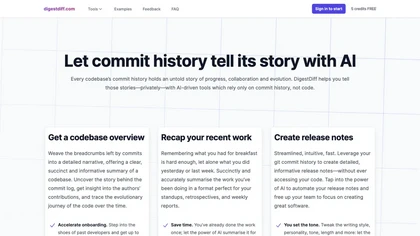
DigestDiff analyzes GitHub commit history to generate concise codebase overviews, standup updates, and release notes. It highlights authorship, feature progress, and milestones, aiding onboarding, project tracking, and markdown‑ready release documentation.
Free
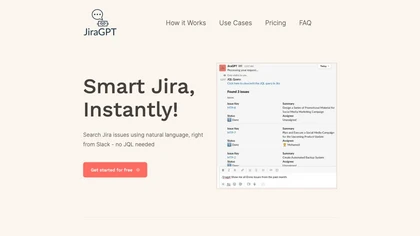
JiraGPT integrates seamlessly with Jira and Slack, enabling natural language search for Jira issues within Slack channels. It provides instant project updates, workload assessment, bug tracking, and AI-powered assistance for enhanced productivity in managing Jira tasks.
Freemium
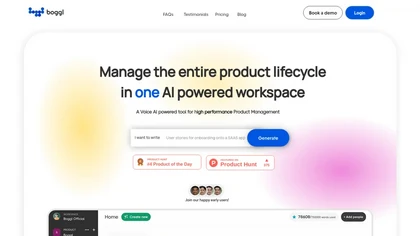
Boggl.ai is a voice‑driven AI that converts feature descriptions into structured documents—PRDs, release notes, test cases, and customer materials—using templates and an iterative workflow. It integrates with Jira, supports collaboration, and exports to Google Docs.
Free

Jotlin interviews stakeholders to convert ideas into structured product specifications, extracting user stories, edge cases, constraints, and acceptance criteria. It generates editable PRDs, backlogs, flowcharts, and supports collaboration, versioning, approvals, and dev integrations.
Free
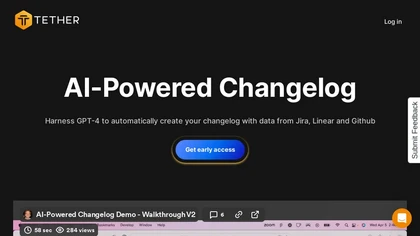
GPT-4 Powered Changelog simplifies creating and managing software development projects by automatically generating changelogs from various sources and allowing for customization and publication.
Freemium
- $50

Snippfy automates development workflows from ticket to pull request by syncing Trello/Asana/Jira, using custom AI agents to process tasks, generate code, create branches and open GitHub pull requests, reducing repetitive developer work.
Free

Converse stores articles, PDFs and YouTube videos in a permanent library, producing concise TLDRs and executive summaries that cut reading time. Users can chat for precise answers, organize content into collections, and collaborate via shared documents.
Free